

 Image 1 of 4
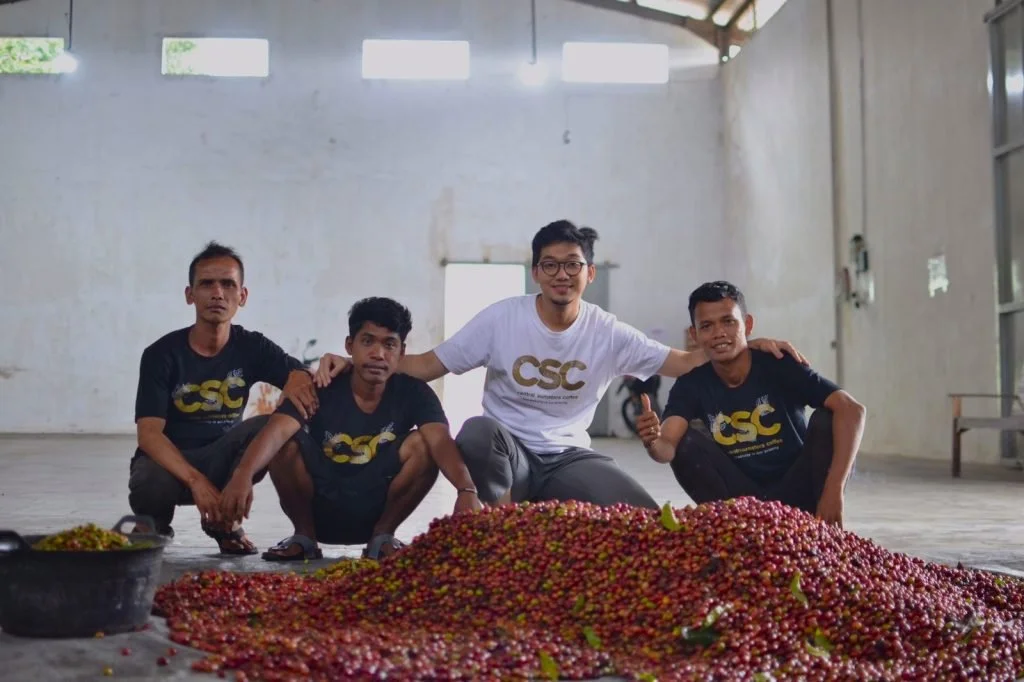 Image 2 of 4
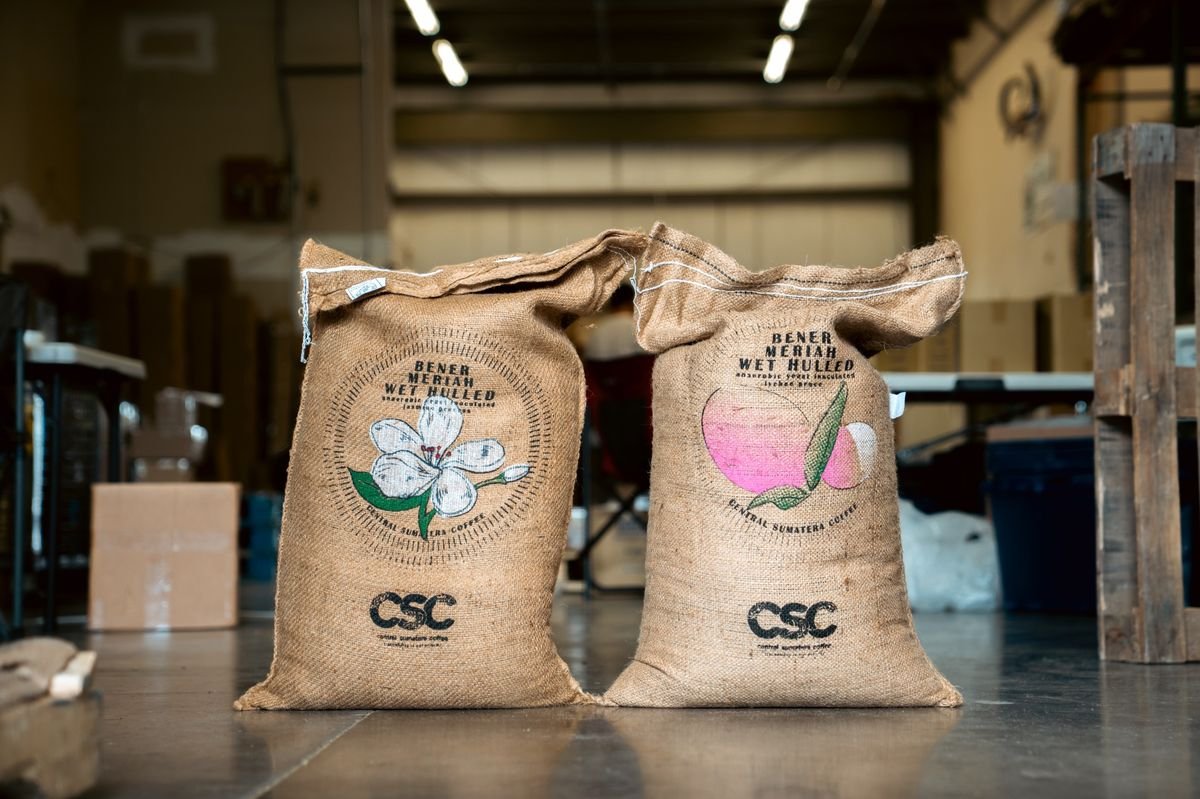 Image 3 of 4
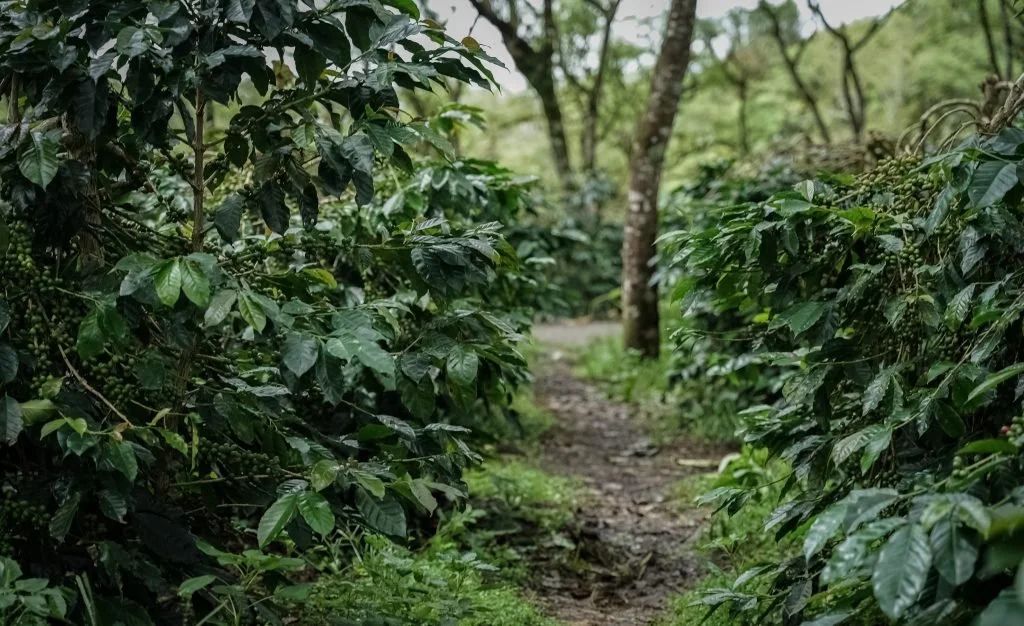 Image 4 of 4
This is an estate-grown coffee from Aceh Province, Sumatra’s most famous and prolific production area for specialty wet-hulled profiles. Unlike most coffee in the area, which is traditionally grown by hundreds of smaller farmers and gradually consolidated through processing, collection, and milling, Central Sumatera Coffee operates a 100-hectare estate right in Bener Meriah regency, where they can control the genetics, harvesting, and post-harvest techniques to perfection.
Aceh (pronounced AH-CHEY) is the northernmost province of Sumatra. Its highland territory, surrounding Lake Tawar and the central city of Takengon, is considered to be the epicenter of one of the world’s most unique coffee terroirs.
Coffee farms in this area are managed with the experience of many generations of cultivation, while also harmoniously woven into their surrounding tropical forests. The canopies are loud and fields are almost impenetrably thick with coffee plants, fruit trees, and vegetables, all of which are constantly flushing with new growth. Year-round mists and rain showers never cease, farm floors are spongy and deep with layered biomass, and almost every square meter of the region seems to exude life. Nothing is ever still. Including coffee ripening, which occurs ten months out of the year.
Central Sumatera Coffee (CSC) is a young group, with young leadership. It was originally founded in 2015 by Enzo Sauqi Hutabarat, then a University student with family ties to Bener Meriah. Aware of the growing demand across greater Indonesia for Sumatra’s best coffees, he gravitated toward Aceh as a culture and potential business environment.
CSC buys coffee from smallholders like a typical processor does. However, CSC also operates three large estates of about 100 hectares each: one in Bener Meriah, where this lot was produced; as well as two others in North Sumatra province, near Lake Toba. Their farms are organized varietally, allowing them to maintain unique genetic separations during harvest and processing.
CSC manages processing on their own estates. The Bener Meriah estate employs 30 pickers during harvest months, and six specialists for processing. Most of their estate coffee is wet-hulled in the traditional fashion, but this microlot took an entirely different route, blending multiple unique fermentation techniques to augment the final cup, and ultimately processed as a semi-washed.
After picking, the cherry was depulped and fermented anaerobically in sealed containers with the addition of Lallemand Saccharomyces cerivisiae, for a total of 48 hours. Once the first fermentation cycle was complete, the containers were opened, dried lychee fruit powder was added, then resealed for another 12 hours. After the full multi-stage 60-hour fermentation, the containers were opened, the parchment washed clean and moved directly to raised screen tables and lightly coated with an infusion of powdered lychee while drying. This infusion is made with an extract of real dried lychee in a solution of propylene glycol, which carries the delicate flavors of lychee into the substrate of the coffee seed. The carrier is completely destroyed during roasting, leaving behind the complex lychee aromatics. Once the parchment dried to 35% moisture content it was de-hulled (this is the wet-hulled part) and allowed to finish drying as a raw seed on the raised tables.
This is a super unique processing style that uses anaerobic fermentation, yeast inoculation, co-fermentation with powdered dried fruit, and infusion to achieve a totally distinct, heavily flavored coffee with perfume-like fragrances and sweet, fresh, lychee fruit. In the cup, you may taste more than lychee. It’s extremely floral, honeyed, with citric brightness.